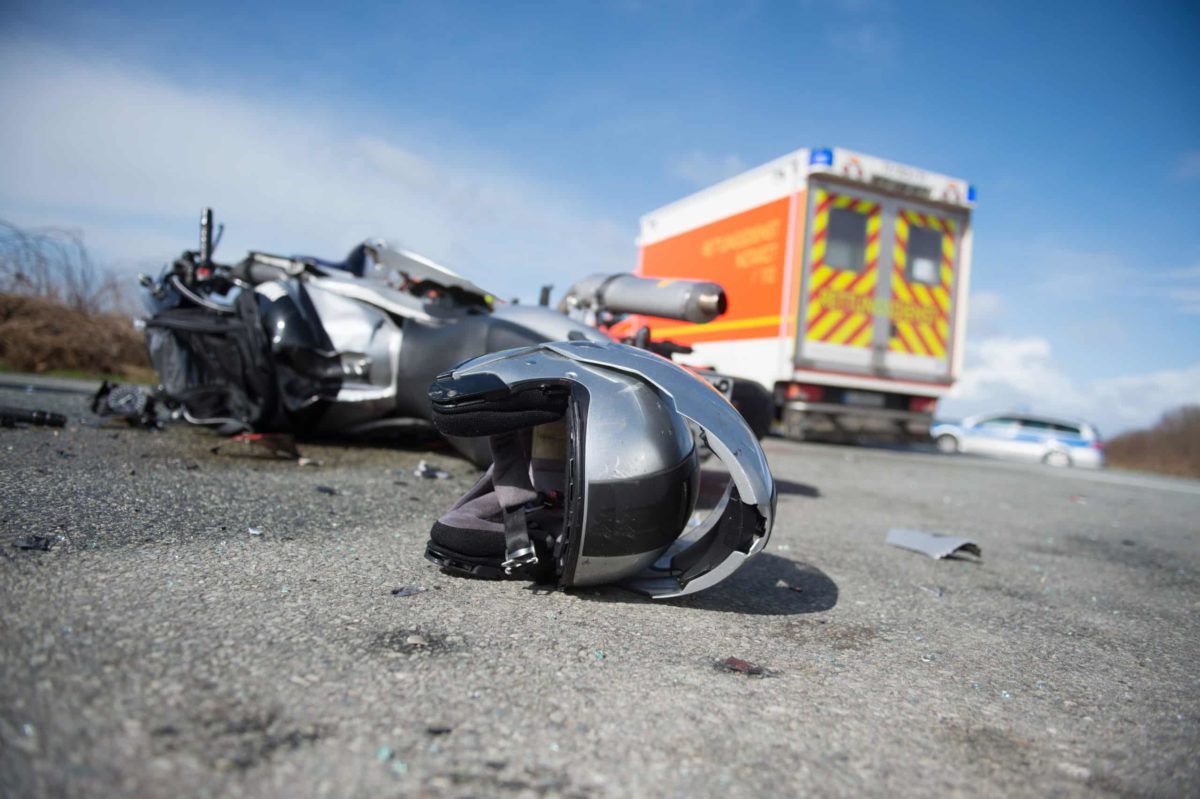
After an accident, the question doesn't take long to arrive: how much is a personal injury case worth. And it's not curiosity. It's necessity. When there are medical bills, days without work, physical pain, and calls from the insurance company, knowing how much your claim might be worth becomes part of regaining control.
The short answer is this: it depends on the damages, on the available evidence, and on who was at fault. There are cases that settle for moderate amounts and others that reach much higher figures. What really matters is understanding what is taken into account to calculate the real value of an injury and what mistakes can cause you to be paid less than you deserve.
How much is a personal injury case worth in the United States
There is no universal table that says how much each injury is worth. Two people can suffer the same type of accident and end up with very different results. One might need a few weeks of treatment and return to work quickly. The other might carry pain for months, lose income, and need ongoing therapy. That's why the value of the case is not based solely on the accident, but on how that accident changed your life.
In general terms, a personal injury claim usually considers economic losses and non-economic losses. The first are the easiest to prove: medical expenses, rehabilitation, medication, transportation to appointments, lost wages, and any direct costs related to the injury. The second include pain, suffering, anxiety, loss of quality of life, or physical limitations that didn't exist before.
If the injury is serious, permanent, or affects your ability to work long-term, the value of the case can increase significantly. If there is also clear evidence of negligence, your negotiating position is usually stronger.
What factors influence how much a personal injury case is worth
The first factor is the severity of the injury. A sprain that improves in two weeks is not worth the same as a back injury requiring surgery, months of physical therapy, and restrictions on lifting weight. The longer and harder the medical process, the greater the economic and human impact of the case is usually.
The second factor is treatment. Many people think that if they tough out the pain and avoid going to the doctor, their case will remain the same. Usually the opposite happens. If there is no prompt medical attention, the insurance company can say the injury was not that serious or that it's not related to the accident. Medical history is one of the strongest bases of any claim.
Lost income also counts. If you missed work, if your hours were cut, or if you can no longer do the same job you did before, that can be part of the case's value. For many Hispanic workers in the United States, this point carries a lot of weight. An injury not only hurts. It also strikes at the stability of your entire family.
Another key element is liability. When it is clear that the other party caused the accident, negotiating is usually more straightforward. But if the insurance company tries to say you had some fault, the value may go down. In some states, even a percentage of shared responsibility can reduce final compensation.
The quality of evidence also changes everything. Photos of the scene, police reports, witnesses, videos, medical records, and communications with the insurance company can make the difference between a weak case and a solid one. Don't complicate your life trying to guess what's useful and what isn't. Saving everything from the beginning helps a lot.
Medical expenses, lost wages, and pain: how it's calculated
Part of the calculation is quite concrete. You add up the medical expenses already incurred and those that will likely continue to come. This includes emergency care, ambulance, consultations, X-rays, MRIs, surgery, physical therapy, and medication. If the injury requires future treatment, that cost can also be included in the claim.
Then comes lost wages. If you stopped working for days, weeks, or months, that money counts. If you're self-employed or paid by the hour, that can also be documented. And if the injury left you with reduced capacity to work in the future, that loss can also be evaluated.
The less visible part, but equally real, is pain and suffering. This is not just about physical pain. It considers whether you can't sleep well, whether you can no longer drive with peace of mind, whether you can't hold your children, whether you stopped doing basic tasks, or whether the accident caused you fear, stress, or depression. This is not always measured with an exact formula, but it does carry weight in the case valuation.
What can lower the value of your case
There are several mistakes that insurance companies take advantage of right away. One of the most common is delaying seeking medical attention. Another is stopping treatment midway because you feel a bit better or because you need to return to work as soon as possible. It also affects posting photos or comments on social media that could be used against you.
Accepting a quick offer is another risk. The insurance company knows that after an accident, many people need money urgently. That's why they sometimes offer an early settlement before the full extent of the injury becomes known. The problem is that if you sign too soon, you can miss out on claiming future treatment or losses.
Giving recorded statements without legal advice can also complicate the case. A phrase explained poorly, said in pain or nervousness, can be used to minimize your claim. The other side is not there to protect you. They are trying to pay as little as possible.
Common accidents and differences in case value
In a car accident, the value depends a lot on the impact, the injuries, the available insurance, and whether there was clear evidence from the beginning. A rear-end collision with short-term treatment is not valued the same as a severe crash with hospitalization and lasting effects.
In workplace or construction accidents, the analysis can be more complex. Sometimes workers' compensation is involved, and in other cases, a claim against a third party can also exist. If there was defective machinery, unsafe conditions, or negligence by another company, the case can take a different direction.
In falls, slips, or injuries on someone else's property, the key point is usually proving that the owner knew of the danger or should have corrected it. Here photos, the condition of the place, and witnesses matter a lot.
So, how much is a personal injury case like yours worth
The most honest way to answer is this: until someone reviews your situation, no serious person can give you an exact figure. You can detect signals. If there was consistent treatment, clear evidence, real economic losses, and an injury that changed your life, your case deserves a thorough evaluation. And the sooner it's done, the better.
Waiting too long can affect the evidence and also legal deadlines. Each state has different rules, and not acting in time can close doors on you. It doesn't matter if the accident happened in California, Georgia, Illinois, New York, New Jersey, or Pennsylvania. What matters is moving quickly and talking to someone who understands your case, your language, and the pressure you're living with.
Many Hispanic families hold back out of fear of the cost of seeking help or worry about their immigration status. That fear is more common than it seems, but it shouldn't leave you alone facing the insurance company. In many cases, you can talk to a lawyer without paying upfront, and your immigration status does not eliminate your rights after an injury.
What to do now if you want to know how much your case is worth
Start by taking care of your health and following treatment. After that, gather everything related to the accident: reports, photos, names of witnesses, bills, receipts, work documentation, and any messages from the insurance company. Don't downplay what you're feeling. If the pain continues, if you can't work the same way, or if your routine changed, that matters.
It's also good to avoid informal conversations with the insurance company until you understand your position well. A timely consultation can help you see if they're offering you less than you deserve or if there are damages that haven't been properly evaluated yet.
If you need clear guidance in Spanish without complications, platforms like Conexión Legal help injured people quickly speak with lawyers who handle these types of cases. When you're hurt, you don't need more obstacles. You need answers and action.
Sometimes the value of a case isn't seen on the first day, but in everything that came after the accident. That's why it's worth looking at it carefully, defending it firmly, and not letting someone else decide for you how much what you lost is worth.