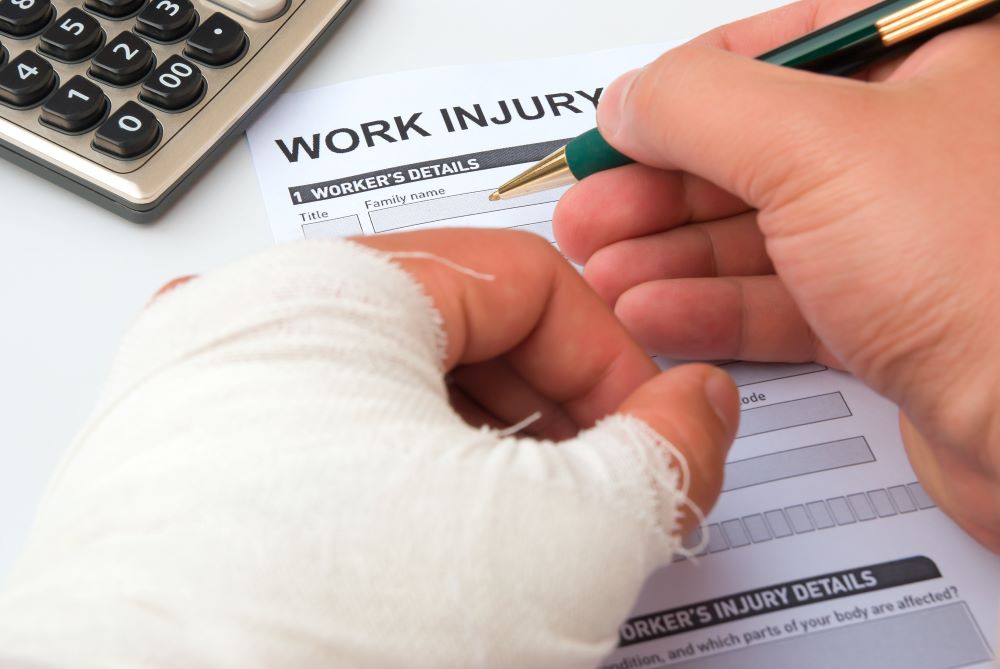
An unstable scaffold, a fall from height, a defective tool, or a construction site without safety measures can change your life in seconds. If you're looking for information about compensation for a construction accident, you surely don't need long theories: you need to know if you have rights, who can pay for your injuries, and what to do before the insurance company or the company shut the door on you.
In the United States, construction accidents are usually serious and expensive. Not only because of medical bills, but because of days without work, pain, surgeries, rehabilitation, and the impact all of that has on your family. And here's something key: even if they told you it was "an accident" or that "it happens on job sites," that doesn't mean you have to bear the consequences alone.
When you can claim compensation for a construction accident
Not all cases work the same way, but many injured workers do have the right to claim. Sometimes the main route is workers' compensation. Other times, there is also a personal injury claim against a third party. That difference matters a lot, because it can change the type of money you could recover.
Workers' compensation usually covers injuries that occurred while you were doing your job. In general, it can help you with medical treatment and a portion of lost wages. The problem is that it usually doesn't cover all the real damage. If your injury was serious, that help can fall short.
That's why there are cases where you can also claim against another party other than your employer. For example, if a subcontracting company created a dangerous condition, if the job site owner didn't maintain the place safely, or if a machine failed due to a manufacturing defect. In that scenario, the compensation can include broader damages.
What compensation can include
When a construction injury is serious, the cost doesn't end in the emergency room. A well-structured claim analyzes the complete impact of the accident, not just the first bill.
Compensation for a construction accident can cover current and future medical expenses, lost wages, reduced capacity to work, physical pain, emotional suffering, and damages arising from temporary or permanent disability. If the person can no longer return to the same type of work, that change also weighs on the value of the case.
In some matters, the deciding point is not how much the accident hurt on the first day, but how much it will cost you to live with that injury for months or years. A back injury, a complex fracture, a brain injury, or spinal cord damage can affect your mobility, your employment, and even your daily life at home.
The most common accidents on construction sites
The construction sector concentrates some of the highest occupational hazards in the country. Falls remain one of the leading causes, especially from scaffolds, roofs, stairs, and elevated platforms. Accidents involving falling objects, heavy machinery accidents, electrocutions, collapses, and injuries caused by defective tools are also frequent.
Added to that are less visible risks, such as exposure to toxic substances, strain injuries, or accidents caused by poor coordination between contractors. When multiple companies work on a job site, each one tries to blame the other. And while they argue, the injured worker is left waiting for answers.
Who can be responsible
This is where many cases are won or lost. On a job site, there isn't always just one responsible party. There can be liability on the part of the employer, a general contractor, a subcontractor, the property owner, the equipment manufacturer, or even a company responsible for safety.
It depends on how the accident occurred and who had the duty to prevent it. If the fall happened because there was no adequate protection, you have to review who was supposed to install it. If a machine failed, you have to examine whether the problem was maintenance, design, or unsafe use. If an object fell from another area of the job site, it matters to know who controlled that area.
That's why it's not wise to accept quick explanations. What the supervisor tells you in the heat of the moment doesn't always reflect the legal reality of the case.
What to do right after the accident
The first step is to seek medical attention as soon as possible. Even if you think you can manage, there are internal injuries, back damage, or trauma that worsen over time. Additionally, the medical record helps connect the accident to your injuries.
After that, it's a good idea to report the accident and keep a written record if possible. If you can do it without putting your health at risk, try to keep photos of the site, the equipment, the unsafe area, and your injuries. The names of witnesses can also be very valuable.
There's something else: don't downplay what happened. Many workers, for fear of losing their job or due to pressure from the foreman, say they're "fine" when they're not. That mistake can complicate the claim later on. And no, your immigration status doesn't erase your rights. That stops a lot of people, but it shouldn't.
Mistakes that can weaken your case
One of the most common mistakes is talking to the insurance company as if it were on your side. It usually isn't. Its goal is to close the case for less money or find contradictions to diminish the value of your claim.
Another frequent mistake is waiting too long. Each state has different deadlines for claiming, and some steps must be taken quickly. Additionally, over time evidence disappears, job site conditions change, and witnesses forget important details.
It can also hurt you to return to work too soon out of financial necessity or to stop medical treatment halfway because "you can manage." The other side can use that to say your injury wasn't that serious. The reality is more complex, but it's good to protect the case from the beginning.
Compensation for a construction accident and workers' compensation: it's not the same
Many people think that if they already received workers' compensation, that's the end of it. Not always. Workers' compensation and a personal injury lawsuit can coexist in certain situations, depending on the state and who caused the accident.
The practical difference is important. Workers' compensation is usually more limited and doesn't require proving employer negligence in the same way. On the other hand, a claim against a third party can open the door to damages that compensation doesn't cover. That evaluation must be done carefully, because a poorly planned strategy can leave money on the table.
It's not about complicating your life with technicalities. It's about looking at all available legal avenues before accepting a low offer or assuming there's nothing more to do.
If you're Hispanic and work in construction, this especially affects you
Many Hispanic workers do the hardest and most dangerous work on job sites. Yet they are the ones who most often don't get clear information after the accident. Sometimes due to language barriers. Other times due to fear, misinformation, or direct pressure from the company.
That shouldn't happen. If you were injured, you have the right to understand your case in Spanish, to ask questions without feeling judged, and to receive legal help without upfront payment in many cases. On platforms like Conexión Legal, the priority is precisely that: quickly connecting injured people with lawyers who speak clearly and act straightforwardly.
When to seek legal help immediately
If you suffered a fall, had surgery, can't return to work, the insurance company keeps calling you nonstop, or the company denies responsibility, it's not worth waiting. You should also ask for help as soon as possible if multiple companies were involved, if you don't know who was at fault, or if you're being pressured to sign documents.
A good early legal analysis can serve to preserve evidence, identify responsible parties, and avoid mistakes that are difficult to fix later. In construction accidents, every day counts. Job sites change quickly and stories do too.
The hardest part of an accident like this isn't just the physical blow. It's the feeling of being left alone facing bills, pain, and calls you don't fully understand. But being injured doesn't mean being defenseless. If you had an accident on a job site, act fast, save everything you can, and ask for guidance as soon as possible. Your health comes first, but your right to claim also deserves serious defense.