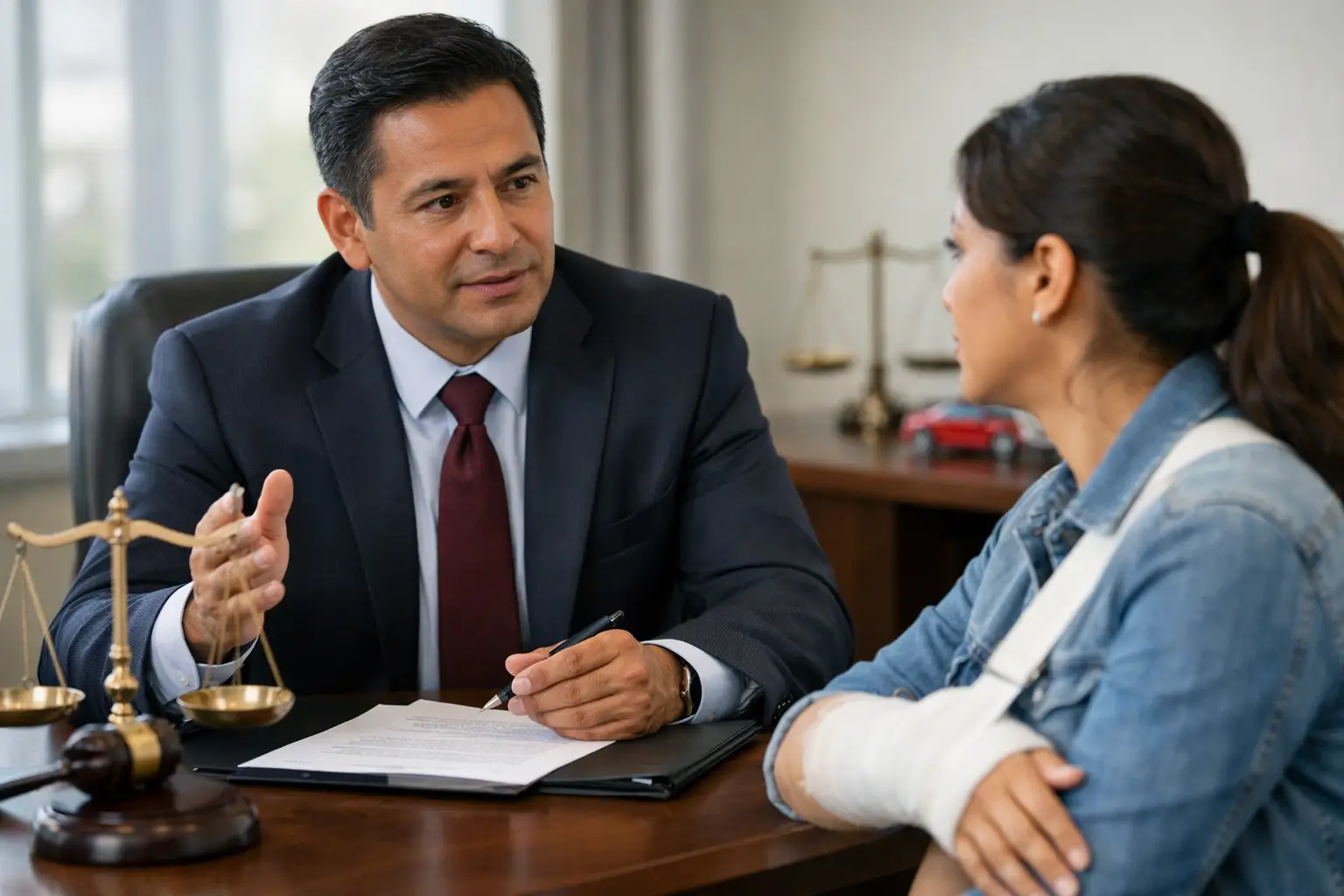
An accident doesn't just leave you with pain. It leaves you with bills, insurance calls, days without work, and a question that weighs heavily: who will really defend me. If you're looking for a personal injury lawyer in Spanish, it's not for convenience. It's because you need to understand every step, make quick decisions, and not leave your case in the hands of misunderstandings.
After an injury, time matters. The insurance company starts moving quickly. Your employer does too. Sometimes they seem friendly, but their priority is usually not your recovery or your family's well-being. Their priority is to pay less, close quickly, and avoid liability. That's why having legal help in your language can change everything from day one.
Why look for a personal injury lawyer in Spanish
When an injured person tries to resolve a case alone, they usually run into two problems at the same time: physical pain and a legal system that doesn't speak clearly. If English isn't your main language, the risk of accepting something unfair goes up a lot. Not because your case is worth less, but because the other side knows you're at a disadvantage.
A lawyer who serves you in Spanish doesn't just translate words. He explains what's happening, what rights you have, what documents you shouldn't sign, and how much your claim could really be worth. That difference is key when there are medical bills, lost wages, therapy, temporary disability, or injuries that change your life.
Trust is also an issue. Many Hispanic people avoid asking for help out of fear, shame, or because they think the process will be complicated. That fear grows if there are doubts about immigration status. The reality is that suffering an injury doesn't erase your rights. If someone caused you harm through negligence, your case deserves to be heard.
What a personal injury lawyer in Spanish really does
The idea that a lawyer only shows up to go to court doesn't reflect how most of these cases work. In practice, good representation starts much earlier. It starts with protecting your version of the facts, organizing evidence, and avoiding mistakes that cost dearly later.
Your lawyer can help you gather medical reports, photos of the accident, police reports, witnesses, and proof of lost income. They also handle talking with insurance companies and calculating damages that many people don't consider at first. It's not just about what you've already paid. It's about what you'll keep losing if the injury affects your work, your mobility, or your long-term health.
In strong cases, the difference between accepting a quick offer and fighting a claim well can be huge. Sometimes the first offer looks good because you need money now. But if it doesn't cover future treatment or permanent consequences, that agreement can leave you alone with the problem later.
Cases where it's worth calling right away
You don't need to wait for things to get worse to ask for help. In fact, the sooner you get guidance, the better protected your case will be. This applies especially to car accidents, hit and runs, workplace accidents, construction injuries, falls due to lack of safety, and situations where another person or company acted negligently.
It's also a good idea to act quickly if the insurance company is already calling you, if they're asking for a recorded statement, or if they had you sign papers without explaining what they meant. Another critical moment is when your employer tries to downplay what happened or suggest that it was your fault without a serious investigation.
If you just got out of the hospital, if you can't go back to work, or if the pain keeps increasing, don't complicate your life. Your case could be worth more than you imagine, but it needs to be handled well from the start.
The most common fear: "What if I don't have papers?"
This is one of the hardest and most frequent questions in the Hispanic community. Many injured people stay silent because they fear exposure. That silence benefits whoever caused the harm, not you.
In many cases, immigration status doesn't prevent you from claiming compensation for an injury. What matters is that there was an accident, negligence, and real harm. Of course, each case has nuances, and that's why it's good to talk to a professional who knows how to handle these situations with respect and strategy.
Here's what's important: don't assume you have no rights. Don't let fear rob you of help that could cover medical treatment, lost income, and stability for your family.
How this type of legal help is paid for
Another common barrier is thinking that hiring a lawyer will be impossible. But in personal injury cases, many cases are handled on a contingency fee basis. That means something very simple: if you don't win, you don't pay.
This model matters a lot for families already under financial pressure. If the accident left you unable to work or with medical expenses growing every week, paying upfront isn't a real option. A shared-risk system allows you to defend yourself without taking on another financial problem.
That said, it's good to ask from the start how the percentage works, what expenses could come up, and what happens if the case is resolved by agreement or goes further. Clarity from the first contact avoids surprises later.
What signs show you're in front of good legal help
Not all legal services offer the same level of care. A good lawyer or good legal platform for Hispanics responds quickly to you, speaks clearly, and understands the urgency of your situation. They don't leave you waiting days when you've just had an accident.
They also know how to listen. This seems basic, but it doesn't always happen. If they interrupt you, if they promise amounts without reviewing anything, or if they just want to close your case quickly, that's a bad sign. Good representation combines closeness with strategy. They support you, but they also fight.
Another important sign is specialization. It's not the same to handle a divorce as to handle a serious injury from a car accident or a fall on a construction site. Your case needs concrete experience in damage claims, dealing with insurance, and negotiating compensation.
On platforms like Conexión Legal, that speed of assignment and Spanish-language care are especially valuable for those who need immediate support without wasting time searching blindly.
What can affect the value of your case
There's no single figure for everyone. The value depends on several factors: the severity of the injury, the cost of treatment, time without work, pain suffered, consequences, and the clarity of responsibility. The quality of evidence and how quickly everything was documented also matter.
There are cases that seem simple and aren't. For example, a back injury can worsen over time and limit you for months. A concussion can seem minor at first and later affect memory, sleep, or concentration. That's why it's not a good idea to close a case before understanding the real impact.
There are also trade-offs. Resolving quickly can give you fast financial relief, but sometimes it reduces compensation. Waiting can strengthen the case, though it requires patience. The right decision depends on your medical, financial, and work situation. A lawyer with experience will help you weigh that balance without selling you empty promises.
What to do right now if you suffered an injury
Seek medical attention as soon as possible, even if you think you can tough it out. Then keep everything: photos, prescriptions, reports, invoices, messages, names of witnesses, and any communication with insurance or your employer. Don't post details of the accident on social media and don't accept rushed agreements without understanding their consequences.
Most importantly, talk to someone who can review your case in Spanish and tell you honestly what options you have. Sometimes an early call prevents months of stress and unnecessary losses. Sometimes it makes the difference between being left alone with the debt or getting fair compensation.
When you're injured, the last thing you need is to fight alone against insurance companies, businesses, or confusing paperwork. You deserve to have things explained to you straight, to be taken seriously, and to have someone defend what's rightfully yours. If something tells you that you're not being treated fairly, listen to it. Asking for help on time is not exaggerating. It's protecting what's yours.




.jpeg)