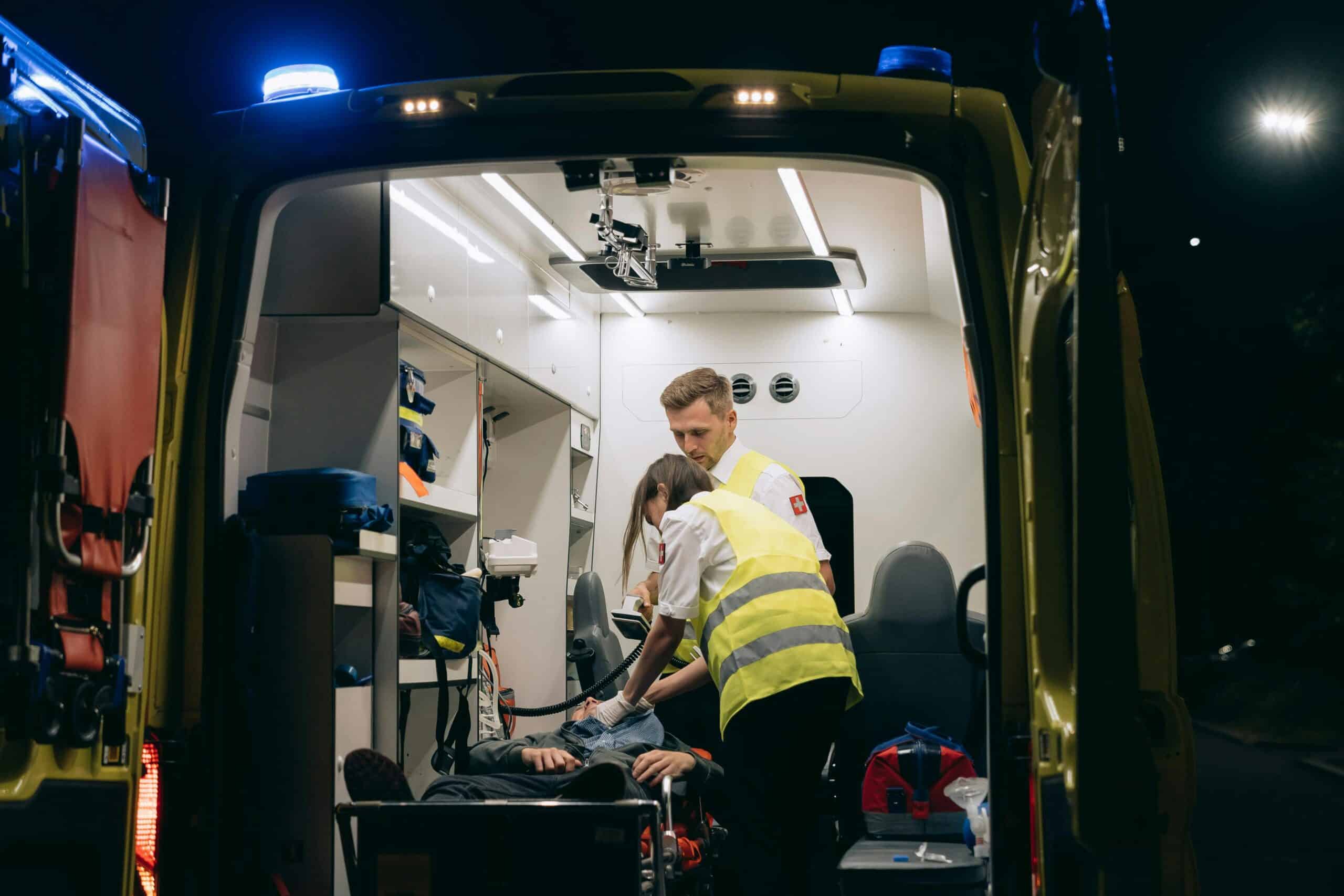
Pedestrian accidents are one of the leading causes of death and injuries on roads in the United States. According to statistics from the National Highway Traffic Safety Administration (NHTSA), in 2020 there were 38,824 deaths from traffic crashes across the country, representing the highest number since 20071. Of these, 6,205 were pedestrians, meaning that 16% of fatal victims were people walking on the street. It is estimated that 19,515 people died in traffic crashes in the first half of 2023, indicating that the concerning trend continues.
What situations and risk factors contribute to pedestrians being at greater danger of suffering an accident on the street? What rights and options do pedestrians who have been injured or have lost a loved one due to the negligence of a driver have? What role do pedestrian accident attorneys play in these cases? In this article, we will answer these and other questions, with the aim of informing and raising awareness about pedestrian traffic safety. Would you like to evaluate your case?
Contact us as soon as possible. We serve 24/7 and evaluate your case for free with a Spanish-speaking attorney.
What situations and risk factors increase the likelihood of a pedestrian accident?
Pedestrian accidents can occur at any time and place, but there are some situations and risk factors that make them more frequent and severe. Some of them are:
Vehicle speed
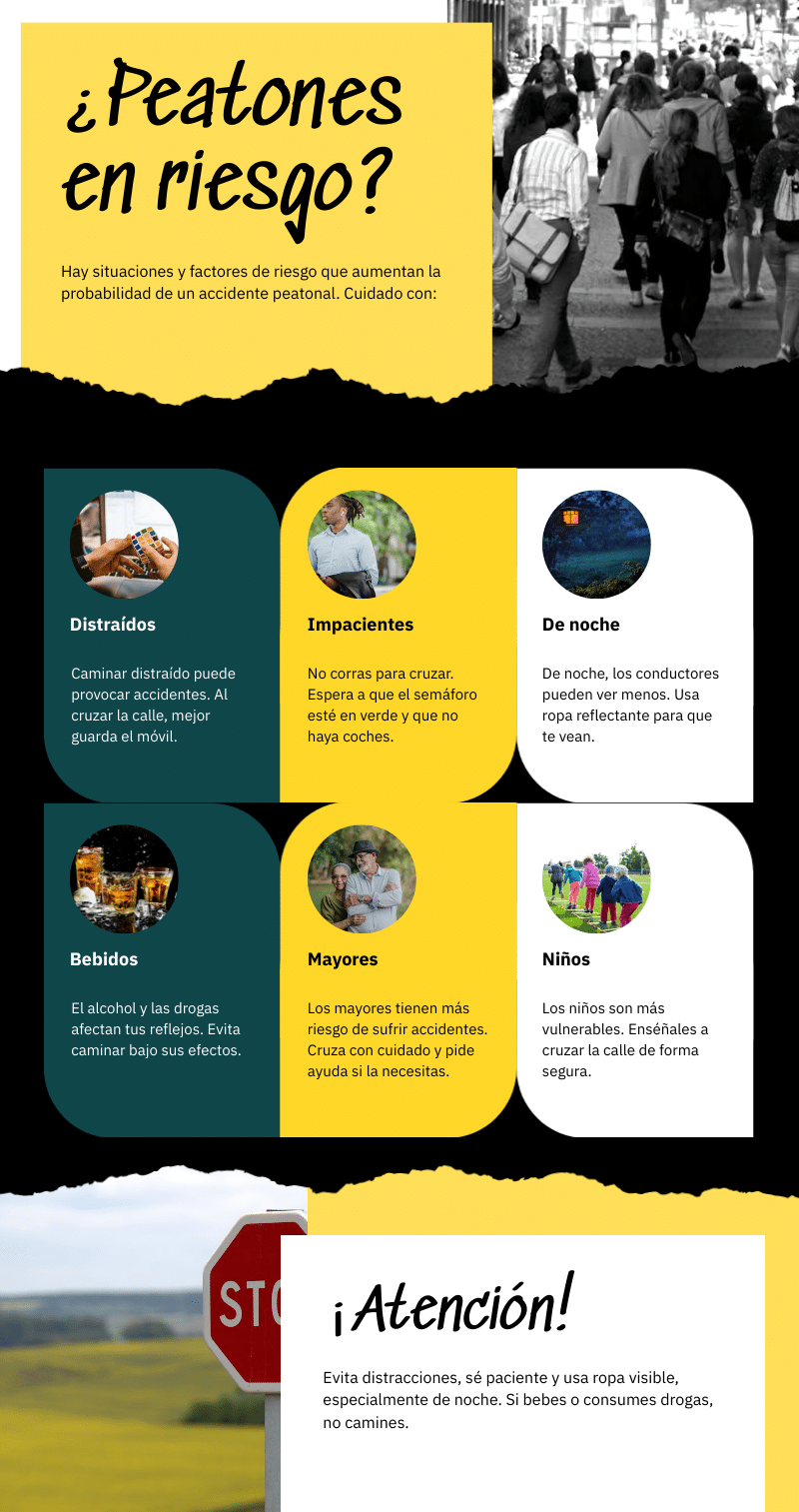
The faster a vehicle is traveling, the less reaction time the driver will have to brake and avoid a collision and, if they do, the greater the likelihood that the victim will suffer fatal injuries. According to NHTSA, pedestrians have a 90% probability of surviving if the vehicle involved in the accident is traveling at a maximum speed of 30 km/h, but that probability decreases to less than 50% if the vehicle was traveling at 45 km/h1.
Alcohol and other substances
The consumption of alcohol and other substances impairs judgment, slows reflexes, and reduces attention and visual acuity in both drivers and pedestrians. Alcohol control in drivers is an essential strategy for road safety, as it is estimated that 28% of pedestrian deaths in 2020 involved a driver with a blood alcohol level equal to or above the legal limit.
Lack of pedestrian facilities
The design of roadways is not friendly for people who walk, or for those in wheelchairs or aided by crutches, as well as for elderly people, children, and women in caregiving situations. Faced with a shortage of infrastructure, such as sidewalks, pedestrian crossings, traffic lights, signs, and public lighting, pedestrians are forced to share space with vehicles, which increases their risks on the streets.
Poor visibility of pedestrians
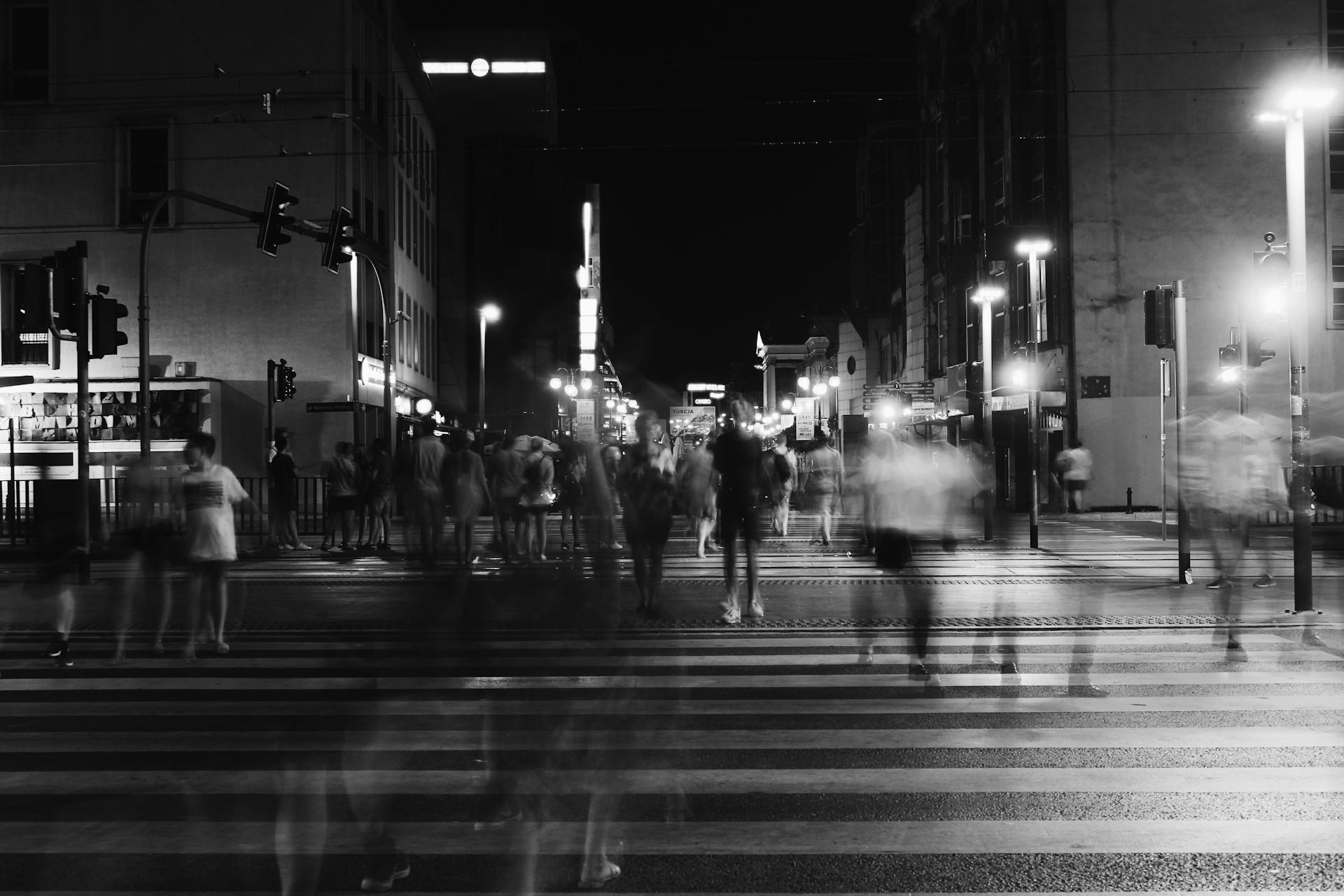
Lack of lighting, the use of dark clothing, bad weather, and the position of the sun can make it difficult for drivers to see pedestrians, especially during nighttime or dawn hours. According to NHTSA, 75% of pedestrian deaths in 2020 occurred under dark conditions. Therefore, it is recommended that pedestrians wear reflective clothing, carry a flashlight or luminous device, and walk in well-lit areas.
Distractions
The use of electronic devices, such as mobile phones, headphones, tablets, or smartwatches, can distract both drivers and pedestrians, causing them to lose attention to the environment and traffic signals. This can result in drivers not braking in time, pedestrians crossing the street without looking, or both committing violations that put their safety and that of others at risk.
What rights and options do injured or deceased pedestrians have from a street accident?
Pedestrians who have been injured or have lost a loved one from a street accident caused by the negligence or recklessness of a driver have the right to claim compensation for damages and losses suffered. These may include medical expenses, loss of income, pain and suffering, moral damage, aesthetic damage, among others.
To obtain fair compensation, pedestrians must prove that the driver was responsible for the accident, that the accident caused them injuries or the death of a family member, and that these caused them damages and losses. To do this, it is important to have evidence that supports the claim, such as the police report, witness testimony, security camera recordings, photos of the accident scene, medical records, expense receipts, among others.
However, obtaining compensation is not a simple process, as it involves negotiating with the driver's insurance company, which may attempt to minimize or deny its insured's responsibility, or with the driver themselves, who may lack insurance or sufficient resources to pay the compensation. It should be noted that each state has its own laws and deadlines for filing a pedestrian accident claim, which can further complicate the case.
What role do pedestrian accident attorneys play in these cases?
Pedestrian accident attorneys are professionals specialized in the field of civil and traffic law, who are responsible for defending the interests and rights of pedestrians injured or killed by a street accident. Their function is to advise, represent, and accompany pedestrians throughout the entire claims process, from evidence collection to negotiation with the opposing party or the filing of a lawsuit, if necessary.
Pedestrian accident attorneys can provide many benefits to pedestrians seeking compensation, such as:
- Knowing the laws and regulations applicable to the case, as well as the deadlines and requirements for filing a claim.
- Having the experience and knowledge necessary to calculate the fair value of compensation, taking into account all damages and losses suffered by the pedestrian and their family members.
- Negotiating with the driver's insurance company or with the driver themselves, seeking to obtain the best possible agreement for the pedestrian, without accepting low or unfair offers.
- Filing a lawsuit in case negotiations fail or the opposing party refuses to acknowledge their responsibility, and defending the case before a judge or jury, presenting relevant evidence and arguments.
- Providing personalized, professional, and ethical treatment to the pedestrian, keeping them informed about the progress of the case, resolving their questions and concerns, and supporting them at all times.
Would you like to evaluate your case?
Contact us as soon as possible. We serve 24/7 and evaluate your case for free with a Spanish-speaking attorney.
How to prevent pedestrian accidents and improve road safety?
Pedestrian accidents are a serious problem that affects the health and lives of thousands of people each year. They can be prevented and reduced if prevention and protection measures are adopted by both drivers and pedestrians. Some of these measures are:
- Respect traffic rules and signals, such as speed limits, traffic light lights and sounds, stop signs and yield signs, road markings, etc.
- Drive with prudence and caution, avoiding the consumption of alcohol and other substances, distractions, fatigue, aggression, and overconfidence.
- Yield to pedestrians, especially at crossings, intersections, school zones, residential areas, and places with high foot traffic.
- Maintain a safe distance from vehicles traveling in front, behind, and to the side, to avoid rear-end or lane change collisions.
- Check mirrors and blind spots before turning, changing lanes, parking, or exiting the vehicle, to ensure there are no pedestrians nearby.
- Use seat belts and appropriate child safety restraints for each age and size, to reduce the risk of injuries in case of an accident.
- Walk on sidewalks or curbs, and if not available, on the edge of the road, in the opposite direction of vehicle traffic, to see and be seen by drivers.
- Cross the street at designated places, such as crosswalks, pedestrian bridges, tunnels, or intersections, and always look both ways before crossing.
- Wear reflective or luminous clothing and accessories when walking in low light conditions or at night, to increase visibility and catch the attention of drivers.
- Avoid using electronic devices that may distract attention or prevent hearing traffic sounds, such as mobile phones, headphones, tablets, or smartwatches.
Follow the steps in the following form to schedule your free consultation appointment.