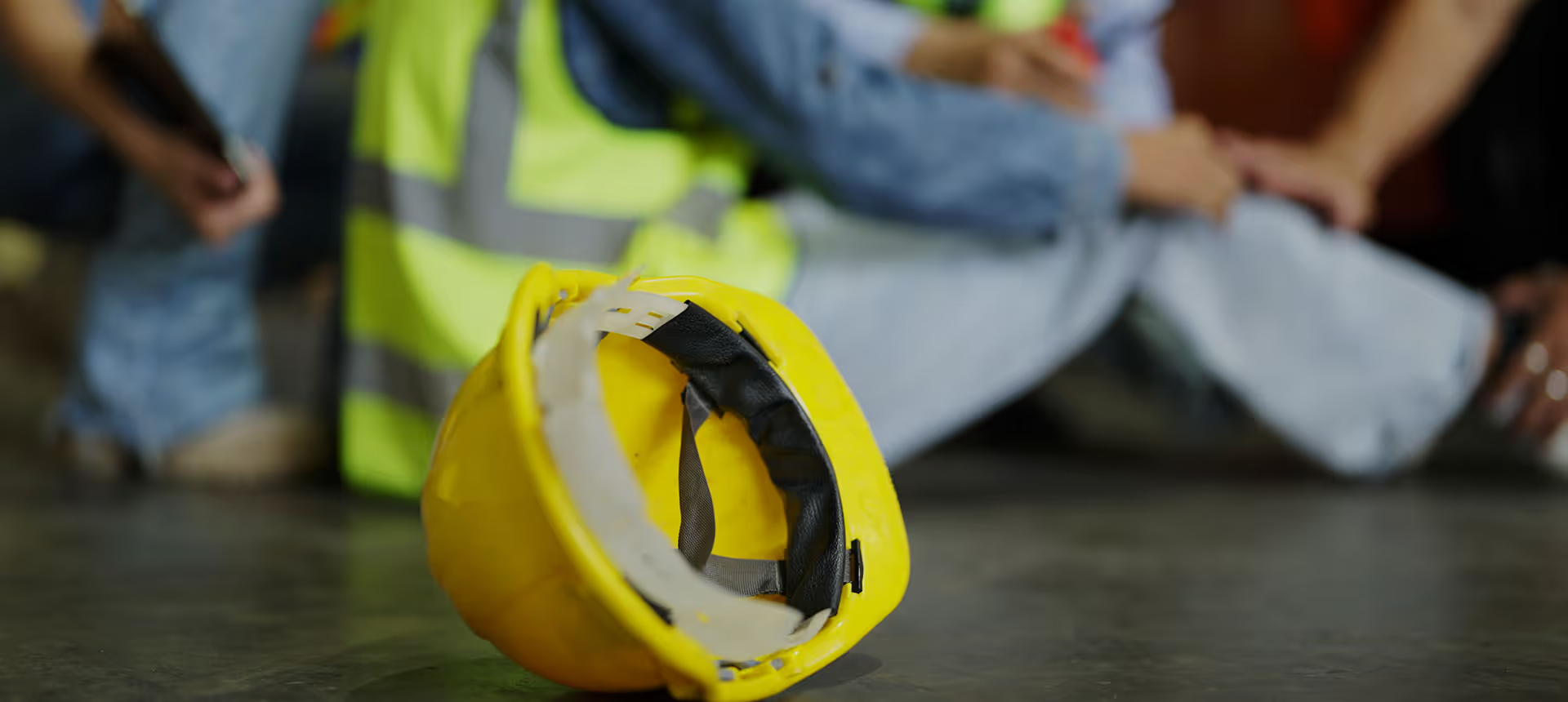
A construction accident can change everything in a matter of seconds: a fall from scaffolding, an unprotected tool, an unmarked trench, or malfunctioning machinery. Knowing how to preserve construction evidence from the first moment can make a real difference when claiming compensation for your injuries. It's not about arguing with your boss or putting yourself at risk to get evidence. It's about protecting your health, your job, and your rights.
After an accident, the company, the insurance company, and other responsible parties can act quickly to control information. That's why it's important to document what happened while details, job site conditions, and witnesses are still available.
First your health, then the evidence
If you are seriously injured, seek medical help immediately. Don't return to a dangerous area just to take a photo, collect an object, or speak with a supervisor. Your safety comes first, and receiving medical care also creates a record that you suffered an injury and when it happened.
Explain to the doctor clearly how you were injured: where you were, what task you were doing, what equipment you were using, and what happened right before the accident. Don't minimize the pain for fear of losing work hours. There are injuries to the back, neck, head, knee, or wrist that get worse over the following days.
If you can do so without putting yourself in danger, take photos or ask a trusted coworker to take them. If you can't, write down as soon as possible what you remember or record a voice memo on your phone. Details that seem small today may be hard to reconstruct weeks later.
How to preserve construction evidence without putting yourself at risk
Evidence is not always a spectacular photograph of the scene. A solid claim is usually built with many pieces: images, documents, medical reports, messages, and statements from people who witnessed what happened. What is essential is to keep copies and prevent that information from being lost or altered.
Photograph the scene and actual conditions
Take photos and videos with dates, if possible. Don't limit yourself to the injury. Document the entire location and then the details. For example, a picture of a broken ladder is more valuable if it also shows where it was placed, what height it was at, whether guardrails were missing, or whether the floor was wet.
Pay attention to elements such as missing signage, exposed wires, unsafely stacked materials, uncovered holes, faulty harnesses, insufficient lighting, scaffolding, ladders, cranes, and personal protective equipment. It's also good to photograph your boots, helmet, gloves, or clothing damaged before washing or throwing them away.
Do not edit the images or add filters. Keep the original files on your phone and create a copy in a personal storage account or send them to a trusted family member. Avoid relying solely on a phone that could be lost, broken, or replaced.
Keep damaged clothing, equipment, and objects
If a piece of equipment failed or your clothing bears marks from the accident, do not repair, wash, or dispose of it without first talking to a lawyer. A cracked helmet, a broken harness, or worn gloves can help prove what protection was actually available.
Store these objects in a clean bag, labeled with the date and location of the accident. Do not try to disassemble a tool or manipulate heavy machinery. The company may need to inspect it, but you may also need to have it preserved as it was.
Identify witnesses before they disappear
On a construction site there are contractors, subcontractors, foremen, delivery workers, and other workers who can quickly change shifts or projects. If someone saw the accident or knew about the danger before it happened, write down their name, phone number, and company.
You don't have to ask them to take sides. It's enough to ask if they would be willing to confirm what they saw. Also note who arrived after the accident, who cleaned the area, who removed the equipment, and what supervisor was present. That information can be crucial if later someone claims the site was in perfect condition.
Keep every document and conversation
Keep copies of the accident report, medical records, prescriptions, invoices, work restrictions, pay stubs, and any workers' compensation documents given to you. If you fill out a form, take a photo of it before sending it or ask for a copy.
Keep text messages, emails, voice notes, and calls related to the accident. If your boss asks you to return to work before you're recovered, change your version of events, or not report the incident, don't delete that communication. Also note the date, time, and content of calls that are not recorded in writing.
Do not sign documents that you don't understand, especially if they include a waiver, agreement, or statement prepared by an insurance company. Taking time to review them is not disrespectful: it's protecting yourself.
Report the accident with a clear description
Inform your supervisor or the person designated by the company as soon as possible. Do so in a concrete way: state the date, time, location, the task you were performing, the injuries you suffered, and the dangerous condition you observed. Don't make up details, but don't accept an incomplete description that hides what happened either.
If the company prepares a report, read it before signing it. If it doesn't reflect the facts, you can ask for it to be corrected or add your own written version. Keep a copy or photo of the document. If you are denied a copy, note who denied it and when.
In some construction accidents, multiple companies are involved. Your direct employer may not be the only one responsible if another contractor controlled the area, maintained the equipment, or created the danger. That's why it's useful to record logos on vehicles, helmets, job site signs, and machinery. Don't assume there is only one way to file a claim.
Mistakes that can weaken your case
The most common mistake is waiting too long because the pain seems bearable or because the person fears getting into trouble. Construction sites change quickly: a ladder is removed, a railing is fixed, a spill is cleaned up, and workers move to another project. Acting soon helps preserve the reality of the scene.
Also avoid posting details of the accident, photos of physical activities, or disputes with the company on social media. An insurance company can take a post out of context to question your injuries. You don't need to disappear from the internet, but you do need to act carefully while your claim is ongoing.
Don't hand over your personal phone or passwords to anyone without receiving legal advice. You can share relevant evidence, but that doesn't mean giving up all your privacy. Likewise, don't accept a quick offer just because bills start arriving. An injury may require treatment, rehabilitation, or time off work that you don't yet know about.
If you are an immigrant, your rights still matter
Many people injured in construction remain silent because they fear losing their job or believe their immigration status prevents them from seeking help. That fear benefits whoever doesn't want to answer for unsafe conditions. A work injury should not go unaddressed because you don't speak English, work for a subcontractor, or have doubts about your immigration status.
In California, Illinois, and Georgia, deadlines and legal options may vary depending on the type of accident, the employment relationship, and the companies involved. That's why it's important to speak as soon as possible with a construction injury attorney who can review the facts, preserve evidence, and explain your options in Spanish.
Conexión Legal can help you connect with attorneys who handle construction accident cases and understand the urgency of your situation. The consultation is free and you can receive guidance with no upfront payment. Don't let a company or insurance company decide alone what happened.
Your recovery deserves attention and your story deserves to be documented. Keep what you can, seek medical attention, and ask for legal help soon: time can erase evidence, but quick action can protect your voice.