


Recuperados
Experiencia
Satisfación de Clientes
Abogados en 10+ Estados
Según la Administración Nacional de Seguridad del Tráfico en las Carreteras (NHTSA), en 2023 se registraron aproximadamente 40,990 muertes debido a accidentes de tráfico, lo que representa una disminución del 3.6% en comparación con 2022.
Estas cifras reflejan la importancia de contar con un abogado de accidentes después de un accidente.
Si fuiste lesionado en un accidente automovilístico, es crucial que busques un abogado especializado que hable tu idioma antes de hablar con la compañía de seguros.
En Conexión Legal, estamos aquí para ayudarte a encontrar al mejor abogado latino en accidentes de auto, garantizando que tus derechos sean protegidos y que recibas la compensación que mereces. Cada caso es único y la evaluación es gratis.
Muertes por accidentes de tráfico en EE.UU. en 2023
Recuperados en casos de accidentes de auto
pagas hasta ganar tu caso de accidente de carro
Nuestros abogados de accidentes de auto y carro tienen experiencia en todos los tipos de choques y colisiones en carreteras y ciudades de EE.UU. Si sufriste alguno, evalúa tu caso gratis hoy.
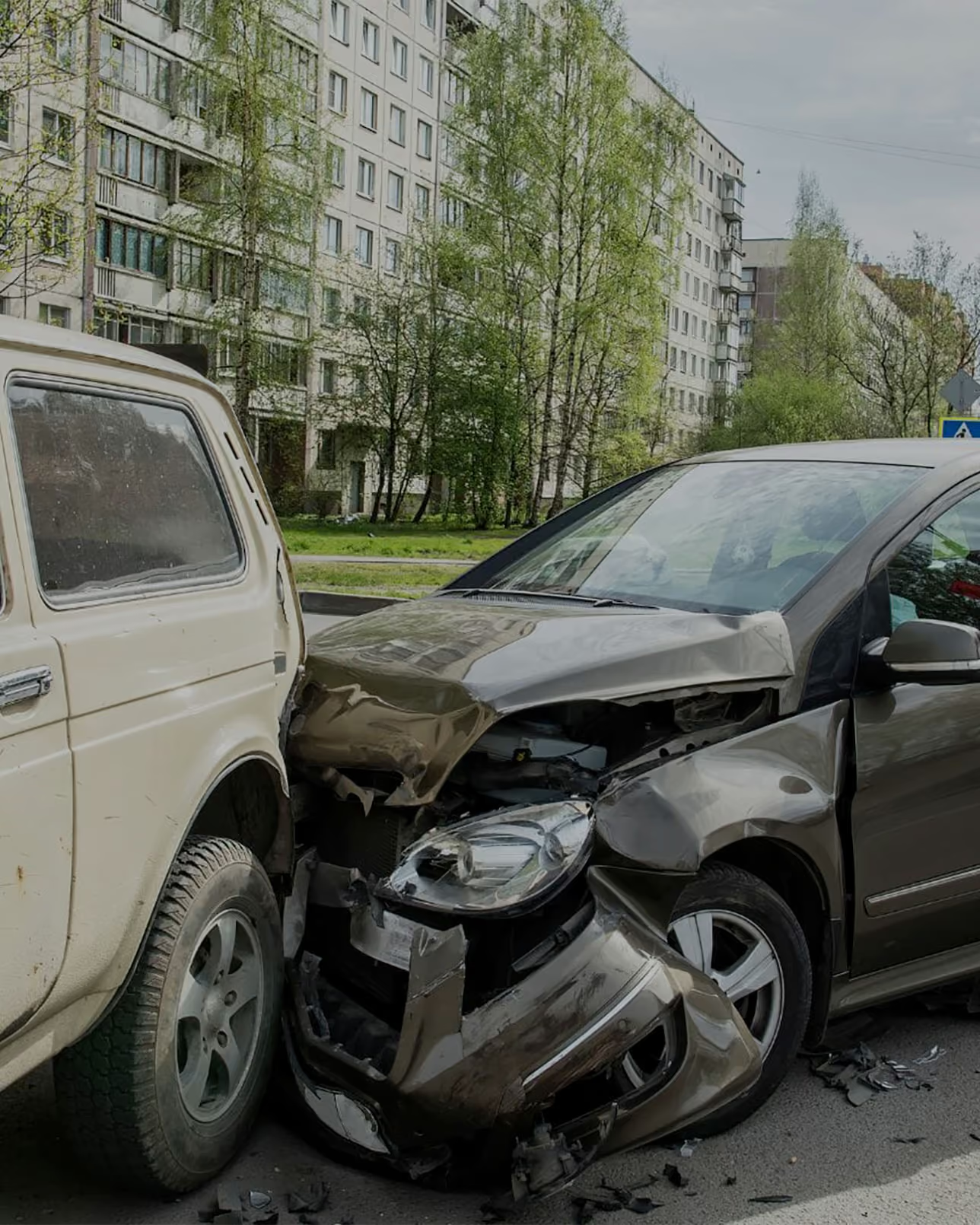
El accidente de auto más común. Aunque parezca menor, los choques traseros causan lesiones de cuello, espalda y daño emocional que merecen compensación.

Los choques frontales de auto son los más peligrosos y los que generan mayor compensación. Alta probabilidad de lesiones graves o muerte.

Accidentes de carro en intersecciones por semáforo en rojo o alto ignorado. Daños severos al conductor del lado impactado.
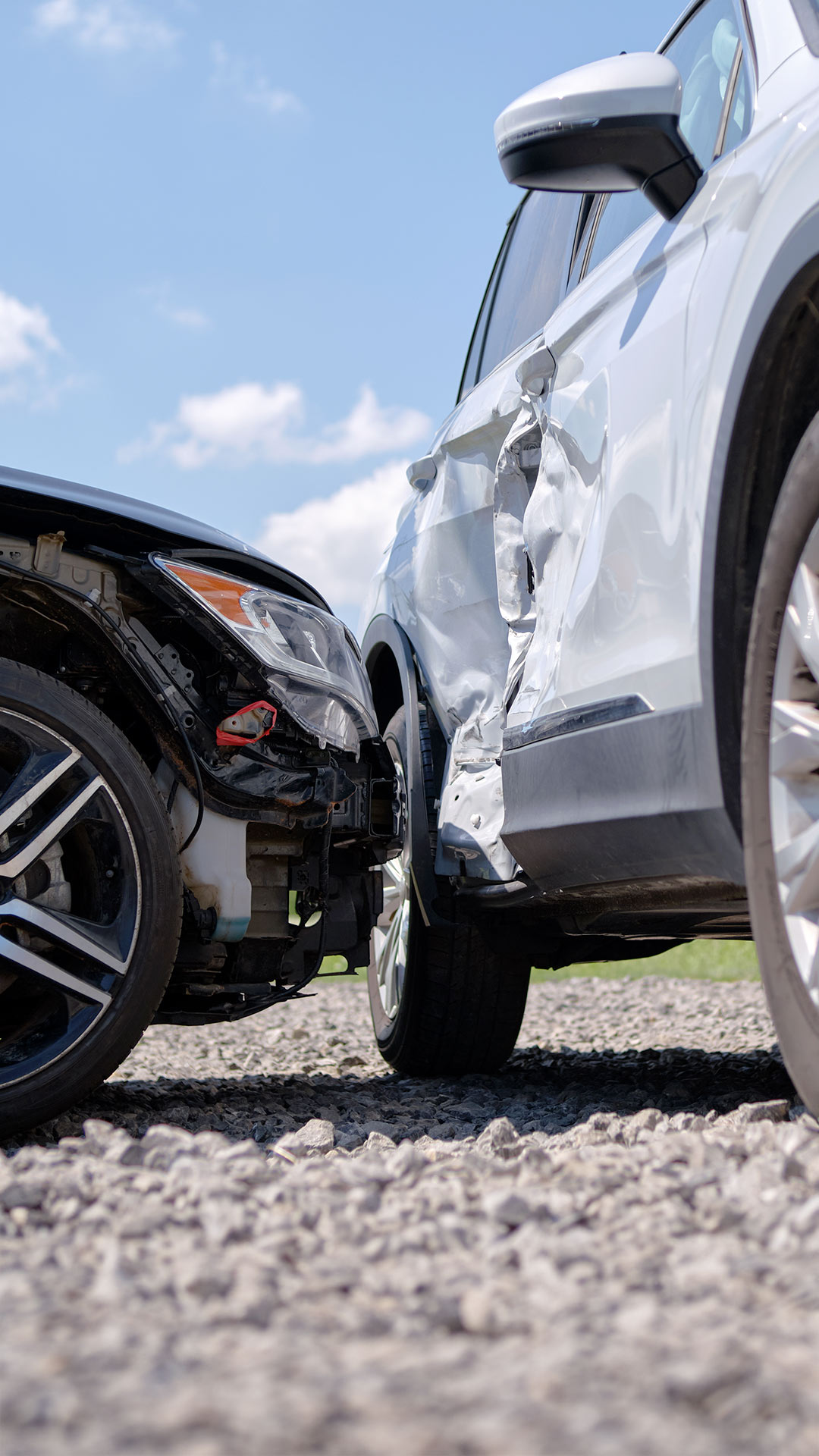
El 40% de los accidentes de tráfico fatales son por alcohol. Los accidentes con conductor ebrio generan daños punitivos adicionales — mayor compensación para la víctima.

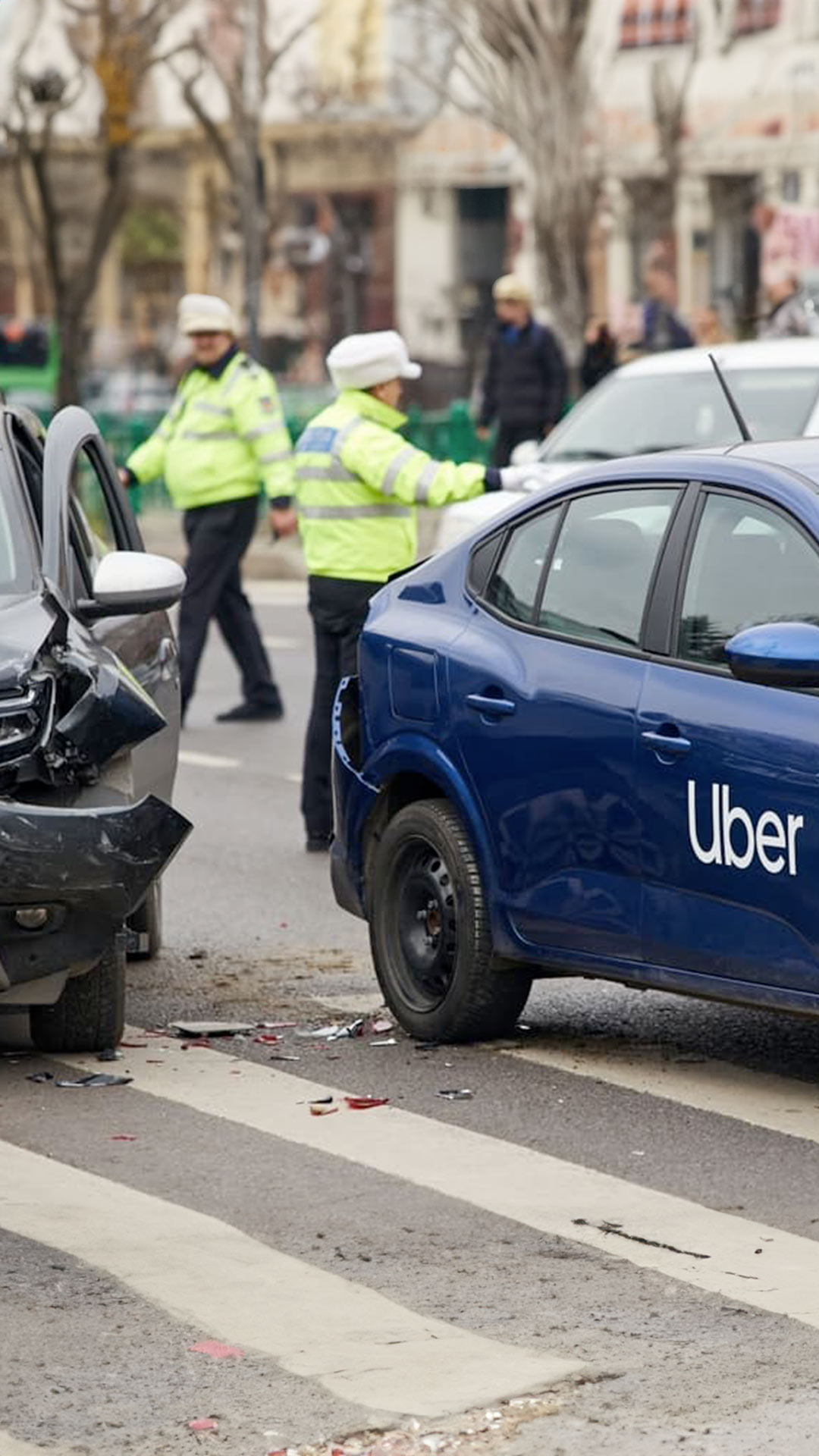
Seguros distintos al regular. Si tuviste un accidente de carro con Uber o Lyft — como pasajero, conductor o peatón — tienes derecho a compensación de la plataforma.
Si el conductor que causó tu accidente de carro se fue sin parar, aún puedes reclamar compensación a través de tu propia póliza o fondos estatales.

Si el otro conductor no tiene seguro, tienes otras opciones legales. Un abogado de accidente de auto sin seguro te explica cómo reclamar igualmente.

Choques con camiones de carga o tráileres involucran seguros y regulaciones federales complejas. Casos generalmente de alta compensación por la gravedad de las lesiones.

Los accidentes de auto por vuelco causan lesiones graves. Pueden involucrar fallas del vehículo, neumáticos defectuosos o negligencia del conductor — distintos responsables, mayor compensación.

Una demanda por accidente de carro puede cubrir mucho más de lo que imaginas. Por lo general, las compañías de seguros ofrecen menos de lo que valen los daños, por lo que no debes aceptar el primer ofrecimiento sin contratar a un abogado de accidente de auto primero. Las víctimas de accidentes no tienen que pelear solas: un abogado de lesiones personales negocia en su nombre y reclama todo el impacto del accidente en su salud, su trabajo y su vida.
Los primeros minutos y días después de un accidente de auto son decisivos para tu caso. Sigue estos pasos para proteger tu derecho a la compensación que mereces.
Aunque no sientas dolor grave, busca atención. Lesiones del accidente de auto como el latigazo cervical, las lesiones en la espalda o el trauma interno pueden aparecer días o semanas después del accidente. El reporte médico es clave para tu caso.
Toma fotos de los vehículos, la calle, señales de tráfico y cualquier lesión visible. Anota datos del otro conductor, placas y testigos del accidente de carro: sus declaraciones pueden definir quién tuvo la culpa.
Las compañías de seguros graban las llamadas y usan tus palabras en tu contra. Antes de dar cualquier declaración sobre el accidente de auto, consulta con un abogado.
Cuanto antes contactes a un abogado de accidente de auto, mejor. La evidencia desaparece rápido y los plazos legales no esperan. La consulta es gratis y sin compromiso.
Lo que NO debes hacer después de un accidente de auto
Muchos hispanos víctimas de accidentes de auto no reclaman por miedo a su estatus migratorio. Pero la ley te protege: si fuiste lesionado en un accidente automovilístico en Estados Unidos, tienes derecho a compensación sin importar si tienes o no documentos.
Tu empleador, el otro conductor o su aseguradora no pueden usar tu estatus en tu contra. Somos zona libre de ICE y tu información está 100% protegida.


No necesitas saber nada de leyes ni de seguros. Nuestros abogados de accidente de carro en español manejan todo por ti desde el primer contacto.
No esperes. Los plazos para reclamar son de solo 2 años en la mayoría de los estados. Nuestros abogados en español están disponibles hoy.

No necesitas saber nada de leyes ni de seguros. Nuestros abogados de accidente de carro en español manejan todo por ti desde el primer contacto.
¿Tu caso no es solo de auto? Nuestros abogados también te representan en: