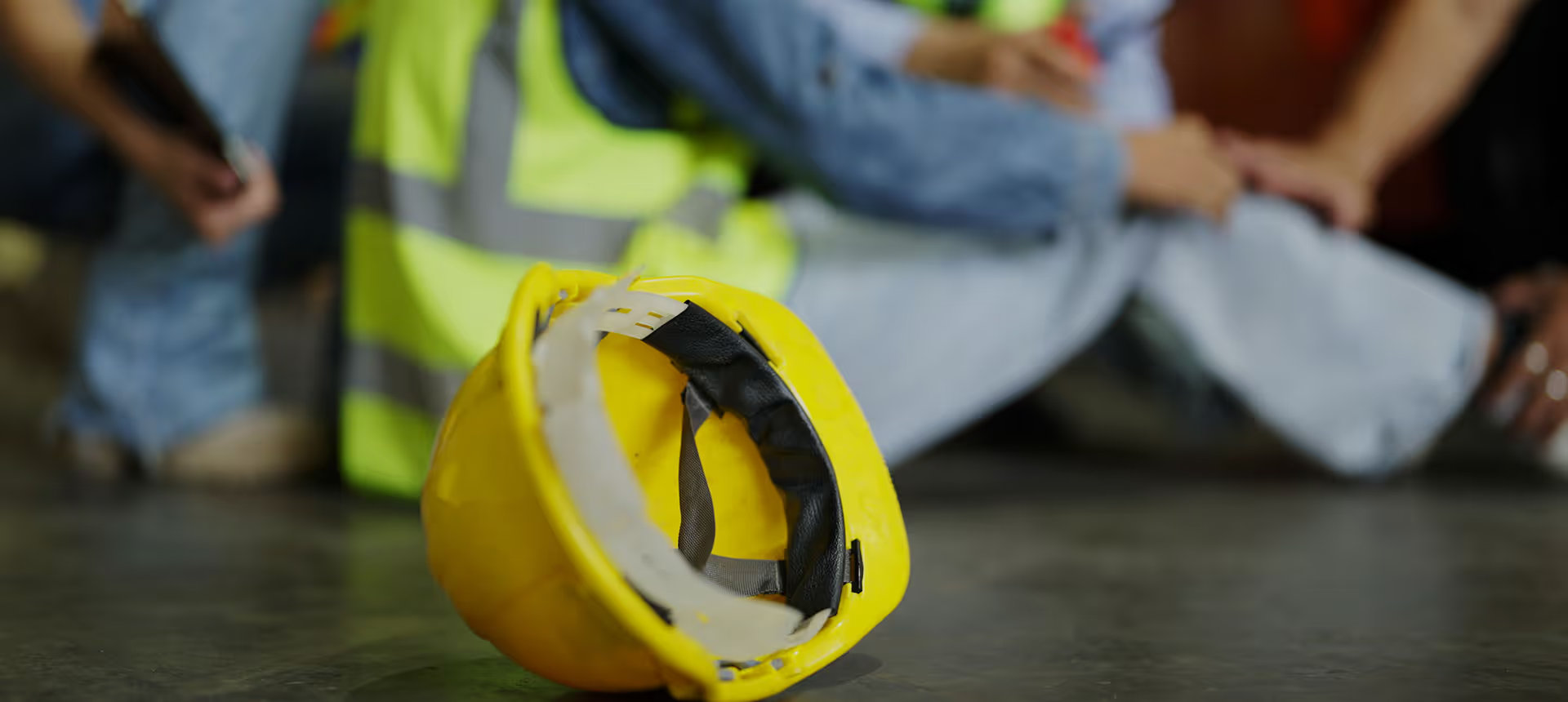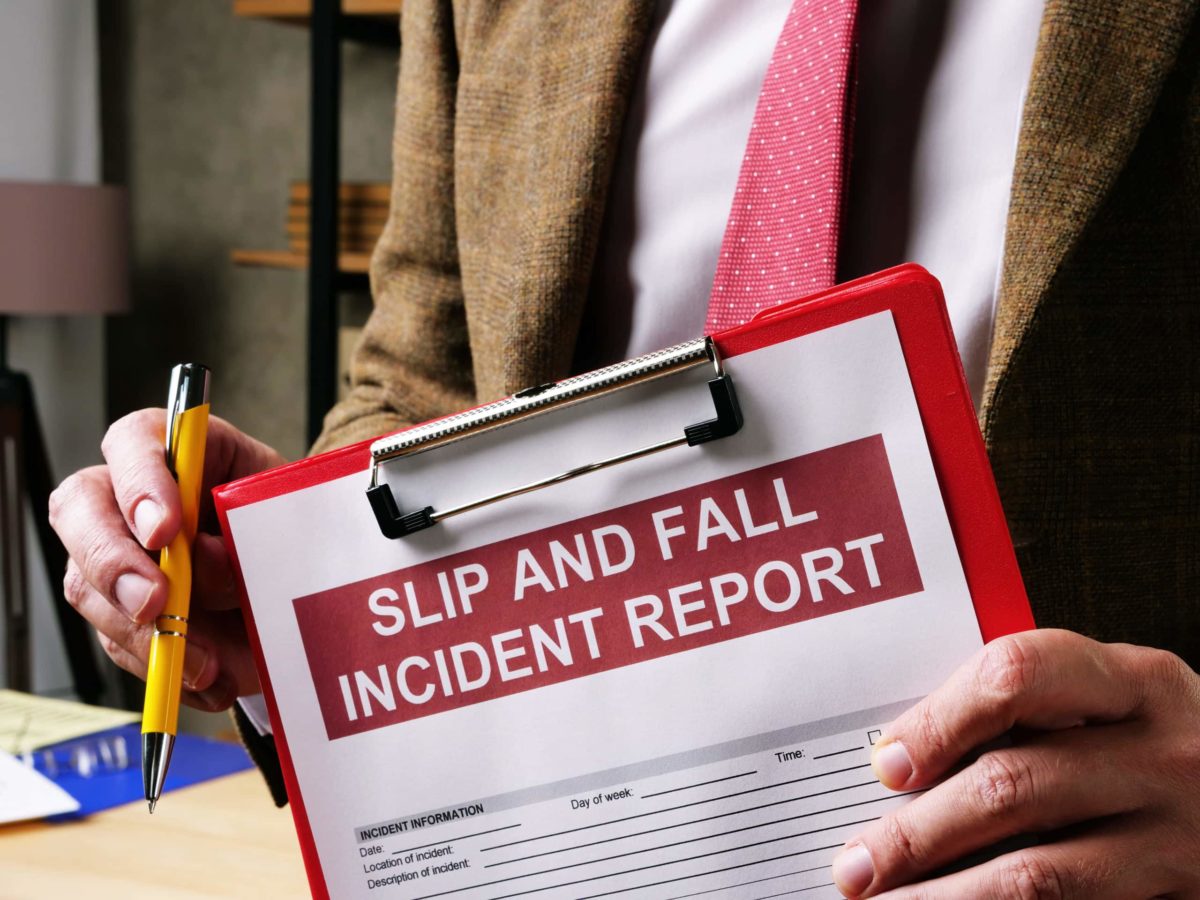
In general, slip and fall cases belong to the broader category of cases known as "premises liability claims". These types of accidents generally occur on assets or facilities that are owned by or under the maintenance of another person, and the owner may be held legally responsible. In such situations, the most recommended course of action is to seek the support of a slip and fall attorney who can help you direct your case.
Dangerous conditions such as broken carpets, uneven floors, lack of lighting, narrow stairways, and wet floors can cause someone to slip and get injured in the building. If you consider it necessary, you should contact the Conexión Legal team as soon as possible by calling 1800 201 1220 or by writing to us through WhatsApp so that we can provide you with the best free legal advice, and in this way we can help you obtain the highest possible compensation.
Other Trip or Slip Situations Can Occur if…
People walked on broken or cracked public sidewalks; or if a person trips and falls on a fixed staircase or escalator. If someone slips, trips, or falls due to hidden hazards such as rain, ice, snow, or dents in the floor, the plaintiff must have suffered even a small amount of damage to receive compensation, which only with the help of a slip and fall attorney can be as broad and fair as possible.
How Do You Prove Liability if You Slip or Fall?
There is no way to determine exactly when another person is responsible for your slip or fall injury. Each case was neglected or avoided if the facility owner or guardian acted with caution to prevent the possibility of slips and falls, and did not see the circumstances that led to the accident.
There are some basic rules to help determine if someone else is responsible for your slip or trip and fall injury. A person who trespasses on someone else's property and is injured generally needs to prove that the cause of the accident is a "dangerous condition" and that the owner or owners knew about it. A dangerous condition must present an unreasonable risk to the person on the property and must have been a condition that the injured person could not have anticipated under those circumstances.This last requirement implies that people must be alert to obvious dangers and avoid them. In order to establish that the property owner or occupant knew of the dangerous condition, it must be shown that:
The Owner or Responsible Party Created the Condition
The owner or occupant knew the condition existed and negligently failed to correct it. The condition had existed for such a period of time that the owner or occupant should have discovered and corrected it before the accident in question. For the property owner or female owner to assume responsibility, it would have been foreseeable that their negligence would carry the risk of the problem. In some cases, plaintiffs can prove the negligence of a third party by the fact that the facility owner violated applicable law. For example, building codes often specify when and where to install railings and similar fixtures. If you fall off the staircase without a handrail and are injured in its absence, you can sue the builder for a violation of building codes.
Responsible Person
To receive compensation for an injury from a fall on another person's property, there must be someone responsible for the injury caused by negligence. It sounds obvious, but many do not realize that some of the injuries, if any, are only accidents caused by their carelessness. For example, if you fall because you haven't seen it, you cannot claim compensation from the owner, whether you are seriously injured or not, regardless of your own negligence. If the injured person is only partially responsible for their damages, they may claim compensation from a third party if necessary, but the corresponding amount may be reduced.
Commercial Property
To be legally liable for injuries suffered by a person who slips, trips, or falls on a third party's premises, such as a store, restaurant, or other owner or employee:
- The area is worn or broken, or an object or slippery or dangerous surface reaches a person's foot. They must have been aware of the dangerous surface and did nothing about it. They should have known about the dangerous surface.
That is because a person who cares for the property would have found it, removed it, or repaired it.
- The law provides whether the property owner or owner has acted with caution in determining whether the measures taken to secure the property were adequate.
- In general, in a commercial real estate fall, there are several people or groups who may be at fault for a person's injury, so both the owner and tenant can be sued by the injured person on the property. In this case, the resident is considered the property owner and is obligated to take reasonable precautions to prevent injury to the resident under their control. The owner may also be a party that manages or maintains the asset, such as a management company.
Also read Slip and Fall Attorney: How to Sue for an Injury from Snowfall?Choosing your attorney is one of the aspects that can contribute to the final decision of your case. For this reason, if you or a loved one need it, you should contact the Conexión Legal team as soon as possible so that we can provide you with the best free legal advice, and likewise, legal representation by a slip and fall attorney in case you suffer any type of personal injury to obtain the best possible compensation.Follow the steps of the following form to schedule your free consultation appointment.




%25201.webp)