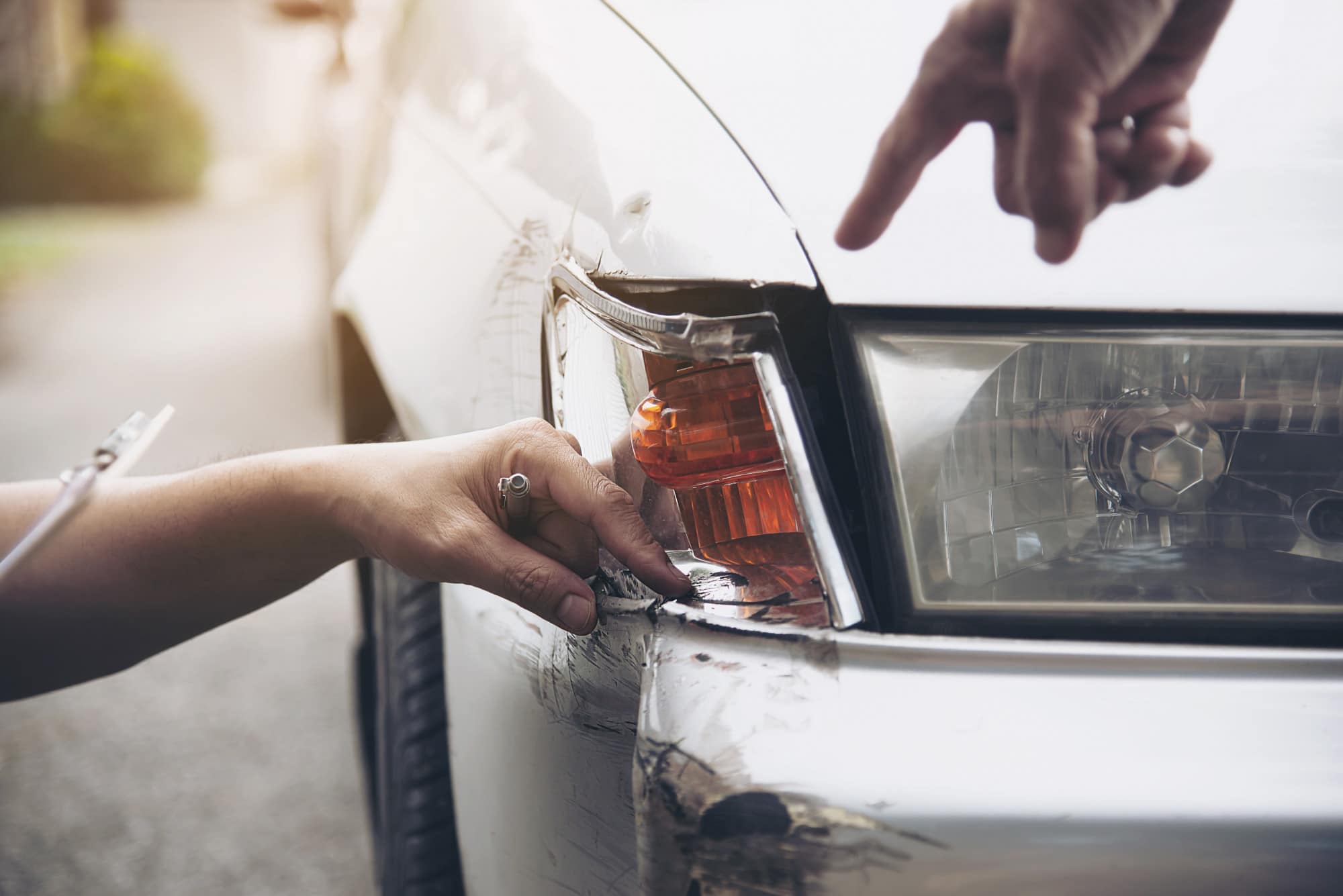
The phone rings when you're still aching, your car is destroyed and you still don't quite understand what happened. On the other end, someone friendly tells you they just want to help you close the case quickly. That's where many people lose money and complicate their claim without realizing it. If you're looking for how to deal with the adjuster after the crash, you need one thing above all else: calm, careful words and legal support as soon as possible.
The insurance adjuster is not there to protect you. Their job is to investigate the accident and assess how much the insurance company intends to pay. Sometimes they'll speak in a cordial tone, almost as if they were on your side. But a poorly handled conversation can be used to minimize your injuries, question your version or push you to accept an insufficient amount when you still don't even know how much your recovery will cost.
How to deal with the adjuster after the crash without harming your case
First, understand that you don't have to tell your entire story in the first call. You're also not obligated to improvise answers when you're nervous, medicated or confused. You can confirm your basic information, identify the policy if applicable and firmly say that you need time to review what happened or speak with a lawyer before giving a full statement.
That doesn't make you look guilty. It protects you.
Many people make the mistake of wanting to appear cooperative and start talking too much. They say things like "I'm fine" out of courtesy, even though their neck hurts. Or they blurt out phrases like "I didn't see it coming" or "maybe I could have braked sooner," not knowing that this can be interpreted as a partial admission of fault. Later, correcting that damage isn't always easy.
When you speak with an adjuster, stick to the essentials. Limit yourself to basic facts and avoid speculation. If you don't know something, say you don't know. If you don't remember something, say you don't remember. And if they pressure you to record a statement, you can respond that you prefer not to do so at this time.
What an adjuster really wants
Not everyone acts the same way, but almost all follow the same logic. They want to close quickly, pay as little as possible and get useful information for the insurance company. That's why they can ask seemingly simple questions that actually seek to weaken your claim.
They can ask if you already had pain before the accident, if you went to the doctor right away, why you were on that street, if you were using your phone or if you've missed work. Some of those questions can indeed be relevant. The problem is the context. Without preparation, an incomplete or poorly explained answer can backfire on you.
It's also common for them to try to speed up the process with an early offer. It sounds tempting, especially if there are bills, rent, food and days without work. But accepting too soon usually means closing the case before you know the real extent of your injuries. If you later need more treatment, you normally won't be able to claim again.
The trap of the friendly conversation
There's a very common tactic: starting with friendliness to lower your guard. The adjuster might tell you they understand what you're going through, that they want to help you or that they only need "a few minutes" to get everything sorted out. The friendly tone doesn't change the purpose of the call.
It's not about fighting or being rude. It's about not giving away information. Speak with respect, but with clear boundaries.
Recording your statement
One of the most delicate decisions is whether to accept a recorded statement. In many cases, it's not in your best interest to give one without legal advice. Especially if there were injuries, conflicting versions, multiple vehicles or doubts about who was at fault.
A recorded statement can lock in details that the insurance company later compares with medical reports, police reports or witnesses. If you change a date, forget a detail or describe the pain poorly because it hasn't worsened yet, they can use it to question you.
What to say and what not to say after the crash
The rule is simple: truth, brevity and zero assumptions.
You can say that there was an accident on a certain date, that you're receiving or seeking medical attention and that right now you're not in a position to give a detailed statement. You can also request that any additional communication be done in writing or through your legal representative.
What you shouldn't say includes apologies, opinions about who was at fault, comments about feeling fine if you're not sure, or estimates about how much it will cost to repair the car or what your case is worth. Don't sign broad medical authorizations without review either. Some insurance companies use them to search for medical histories that have no direct relation to the accident.
If the adjuster insists, repeat your position. You don't need to get into an argument. One clear sentence is enough: at this time I'm not going to give a recorded statement or accept any agreements until I understand my injuries and my rights clearly.
After the crash, evidence is worth more than memory
When the shock wears off, memories change and details get mixed up. That's why your best defense isn't to talk much, but to gather evidence as soon as possible. Photos of the scene, vehicle damage, witness names, police reports, medical bills, prescriptions, reports, missed work days and any messages with the insurance company can make a huge difference.
If you already spoke with the adjuster and think you said something that harms you, don't count the case as lost. That happens more often than you'd think. The important thing is to stop any further improvised conversations and seek legal guidance immediately. There are ways to organize evidence, clarify context and prevent the insurance company from controlling the narrative from the start.
If the accident happened in a comparative fault state
Here's an important point: it depends on the state where the crash occurred. In some places, your compensation can be reduced if you're assigned some fault. In others, if you're assigned a certain percentage above a threshold, you could even lose the right to claim.
That's why every word matters. An innocent comment can cost you a lot if the insurance company tries to assign you partial responsibility. And that's also why it's wise to act quickly, especially in states where comparative negligence rules weigh heavily in negotiations.
When you need a lawyer to deal with the adjuster
Not all accidents end in a legal battle, but there are clear signs that you shouldn't handle it alone. If you have injuries, medical visits, pain that doesn't improve, inability to work, significant car damage, disputed fault or pressure to accept a quick offer, you're no longer dealing with a simple procedure.
That's when the smartest thing is to put a lawyer between you and the insurance company. Not to complicate your life, but to take it off your shoulders. While you focus on healing and stabilizing your family, someone defends your version, reviews documents, calculates damages and stops pressure tactics.
For many Hispanic families in the United States, moreover, the problem isn't just legal. There's also fear of not understanding the language, of saying something wrong or of thinking that because of your immigration status you can't claim. That shouldn't stop you. You have the right to receive guidance in Spanish and to defend yourself seriously.
How to deal with the adjuster after the crash if they've already made you an offer
An early offer doesn't mean it's a fair offer. It often means the insurance company wants to close before your case grows. If you're still going to the doctor, if you don't know how long you'll be out of work or if the pain is still increasing, accepting now could be costly later.
Before you respond, review what that amount really covers. Just the car? Medical treatment too? Does it include lost wages? Are they asking you to sign a full release? Many people accept thinking they can later claim the rest and discover too late that the case is closed.
If you feel pressure, that's a red flag. A serious case deserves serious review.
The reality is simple: after a crash, the adjuster arrives prepared. You don't have to face them alone or improvise at your worst moment. Watch your words, don't sign or accept anything in haste and seek legal help in Spanish as soon as possible. If you need immediate support, Conexión Legal can help you find quick guidance so you don't negotiate at a disadvantage when you're most vulnerable.