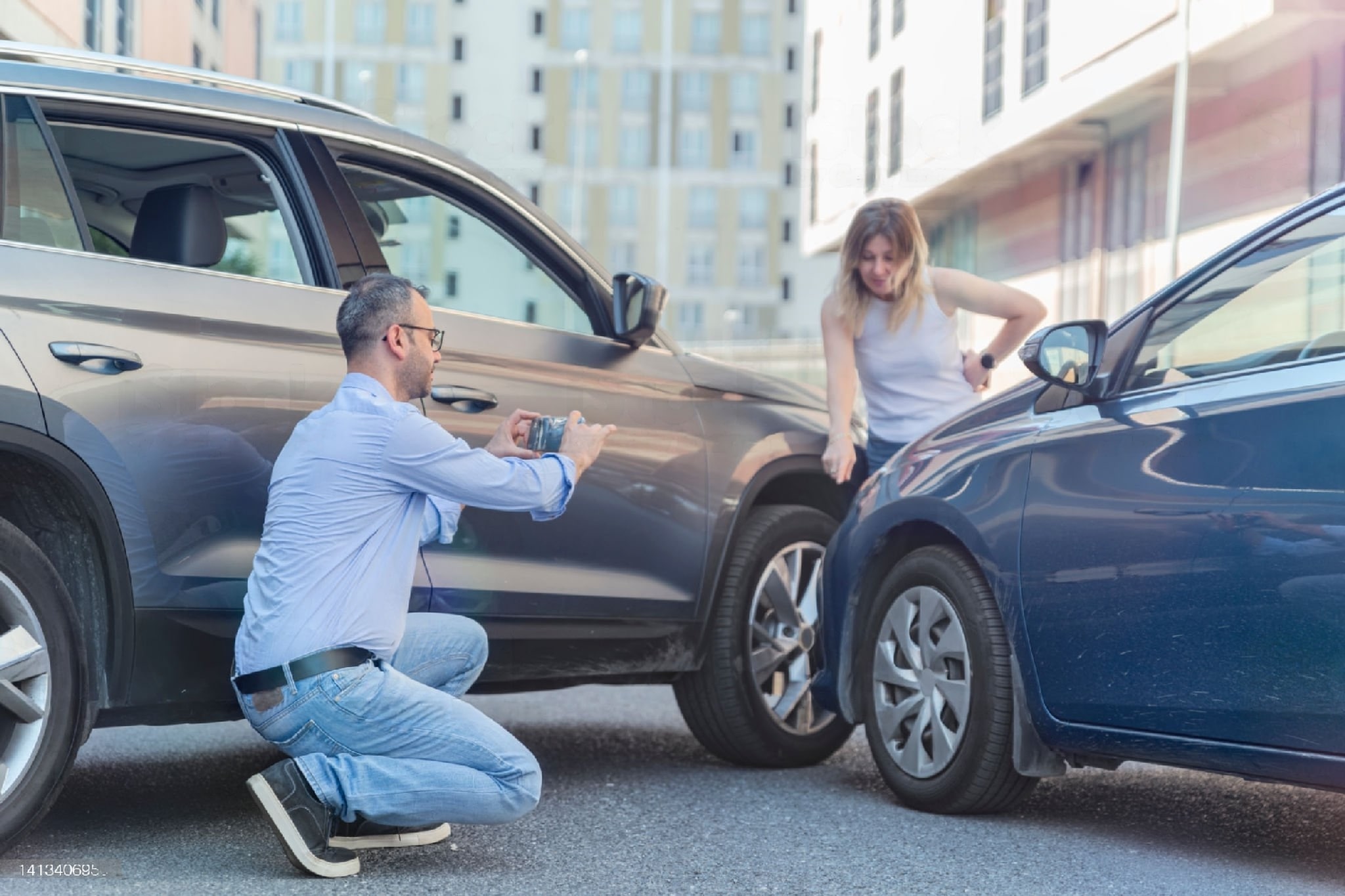
A hit-and-run can change everything in a matter of seconds: physical pain, an ambulance, days unable to work, and an insurance company that starts asking questions when you still don't have answers. A hit-and-run lawyer can help you protect your case from the beginning, claim fair compensation, and prevent an insurance call from harming your rights. Don't complicate your life trying to resolve it alone while you recover.
In the United States, a person who has been hit by a vehicle may have the right to claim medical expenses, lost income, and other damages caused by the accident. Whether you were walking, riding a bicycle, crossing a street, or working near a roadway does not mean you have less protection. Your immigration status should not prevent you from seeking legal help either.
What to do after being hit by a vehicle
First, get medical attention, even if you think the injury is not serious. Some injuries to the neck, back, head, or soft tissues appear or worsen hours later. In addition to taking care of your health, the medical report can become an important piece to demonstrate how the accident affected you.
If you can do so without putting yourself at risk, call 911 and ask the police to prepare a report. Write down the driver's name, phone number, license plate, and insurance information. If there were witnesses, ask for their contact information. A person who saw the traffic light, the car's speed, or the exact location of the impact can provide decisive information when the driver denies responsibility.
Keep photographs of the intersection, the sidewalk, the signs, your damaged clothing, your injuries, and the vehicle involved. If there are cameras from a store, a building, a bus, or a nearby residence, it is important to act quickly. Those recordings can be deleted within a few days. Also keep medical bills, prescriptions, transportation receipts, sick leave documents, and messages related to the accident.
Do not accept cash or sign documents to close the matter without understanding the consequences. A quick offer may seem like a relief when you are missing work, but it may not cover future treatment, rehabilitation, or an injury that has not yet been diagnosed. Before giving a recorded statement to the driver's insurance company, talk to a professional who defends your interests.
Why seek a hit-and-run lawyer
Insurance companies have teams trained to reduce the value of claims. They may say that the pedestrian crossed outside the crosswalk, was wearing dark clothing, that the impact was minor, or that the injury already existed. Sometimes they use an apparently simple question to construct a version of the accident that favors them.
A hit-and-run lawyer investigates what happened, gathers evidence, reviews medical reports, and communicates with insurance companies on your behalf. His or her work is not limited to filing papers. They must identify what coverage exists, calculate the real impact of the injury, and prepare the case if the company refuses to treat you seriously.
This is especially important if the driver fled the scene, did not have insurance, or claims they did not see you. In those cases there may be other coverage options, such as your own policy, that of a family member you live with, or coverage tied to the vehicle. It depends on the state, the available policies, and the circumstances of the accident. That's why it's better to review the case as soon as possible rather than assume there is nothing you can do.
Help in Spanish also changes the experience. Understanding each step, asking questions without embarrassment, and knowing what document you are signing allows you to decide with more confidence. You should not feel intimidated by legal terms or language while trying to recover.
Who can be responsible for the hit-and-run
In many cases, the driver who hit the pedestrian is the primary responsible party. He or she may have been negligent by being distracted with a cell phone, exceeding the speed limit, ignoring a traffic light, failing to yield, or driving under the influence of alcohol or drugs. But responsibility does not always end there.
If the driver was working, a company could have responsibility depending on the type of employment and the tasks they were performing. If the accident occurred on a construction site, a parking lot, a poorly lit area, or a road with faulty signals, it may be necessary to investigate whether another party contributed to the danger. A poorly maintained vehicle or a problem with the road design can also change the analysis of the case.
Even when the insurance company tries to assign part of the blame to the pedestrian, that does not always eliminate the right to claim. The rules on comparative fault vary between states. In California, Georgia, Illinois, New York, New Jersey, and Pennsylvania, the time limits and rules may be different. Waiting too long can make it more difficult to find evidence and, in some cases, put your claim at risk.
What damages can be included in a claim
A hit-and-run is not measured only by the emergency room bill. An injury can force you to miss work, need physical therapy, depend on another person for daily tasks, or live with pain for months. If you work in construction, cleaning, delivery, warehouse, kitchen, or any physical job, an apparently small injury can prevent you from earning your wages.
Depending on the facts, a claim can include past and future medical care, rehabilitation, medications, lost income, reduced earning capacity, and the physical and emotional pain caused by the accident. If your bicycle, phone, clothing, or other items were damaged, those losses must also be documented.
No two cases are alike. The severity of the injury, the clarity of the evidence, the available insurance, and the laws of the state influence the outcome. What you can control is how quickly you protect the evidence and seek guidance. The more time passes, the easier it is for videos, witnesses, or relevant documents to disappear.
How to choose legal support without wasting time
After being hit by a vehicle, you need a clear answer, not empty promises or explanations that leave you more confused. Look for support that speaks to you in Spanish, explains whether your case can move forward, and tells you what documents you should keep. Also ask who will handle your case, how they will communicate with you, and whether you will have to pay anything upfront.
For many families, the "no win, no fee" model reduces a real barrier: not having money available while bills arrive and work time is lost. Still, ask them to explain the representation terms before you sign. Clarity from the start avoids surprises later.
Conexión Legal can connect you with accident and personal injury lawyers who understand the urgency of a hit-and-run and the reality of the Hispanic community in the United States. Support may be available 24 hours, 7 days a week, so you don't have to wait for office hours to seek guidance.
If the insurance has already called you
Stay calm and do not guess details. You can confirm basic information, but avoid discussing who was at fault, downplaying the pain, or accepting an amount without knowing the extent of your injuries. Do not post details of the accident or photographs of physical activities on social media while the case is active, because the insurance company may try to use that content out of context.
Write down the date of each call, the name of the person who contacted you, and what they told you. If you have already given a statement or accepted an insurance company medical appointment, do not assume it is too late. It may still be useful to talk to a lawyer to understand your options and next steps.
Your priority now is to recover and protect your family. Seek medical attention, preserve the evidence, and ask for legal help in Spanish as soon as possible. A hit-and-run does not have to leave you alone facing the insurance company.